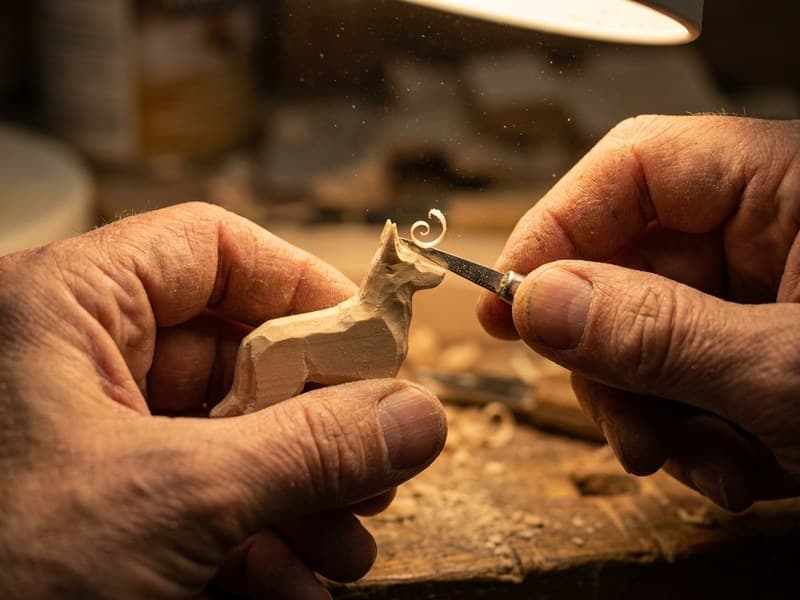
Top 10 Basswood Supplies for Animal Sculpture
Basswood is the standard for figure carving because it has tight, even grain and almost no color streaking, so it takes fine detail without splitting. But not all of it is equal, and a few supplies around it make the difference between a frustrating afternoon and a good one. Here are the ten we reload most often, in the order a beginner should buy them.
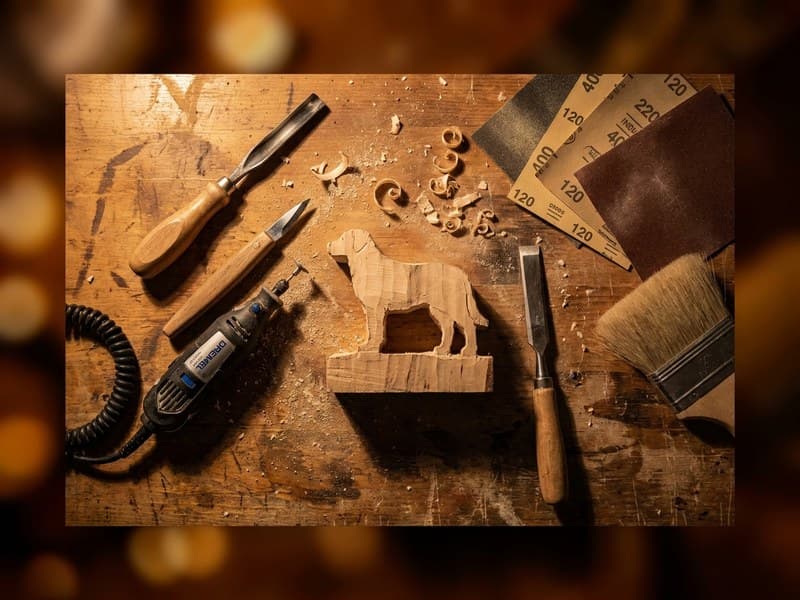
The core ten
This list is built for miniature animal work specifically. Everything here earns its place on a small bench, and none of it is filler.
- 01Basswood carving blocks in assorted small sizes. Pre-dimensioned blocks in the two to four inch range suit palm-sized dogs and wildlife with little waste.
- 02Basswood practice sticks. Cheap stock for drilling stop cuts and V-tool control before you commit to a real figure.
- 03Roughout blanks for beginners. Band-sawn animal shapes that skip the intimidating first stage so you can practice shaping and detail.
- 04A leather strop and honing compound. Used constantly. A stropped edge cuts cleaner and prevents most tear-out.
- 05A pencil and profile templates. For drawing the side and front views onto the block, the step that keeps proportions honest.
- 06Small calipers. For checking that the two sides of a head or body actually match, rather than trusting your eye alone.
- 07A fine-grit sanding assortment. Optional for smooth wildlife coats. Many carvers leave tool marks on fur and only sand the eyes and nose.
- 08Wood sealer. Locks the surface before any finish or paint so color goes on evenly instead of blotching.
- 09Boiled linseed oil. A classic low-sheen finish that warms the basswood and deepens the grain without a plastic look.
- 10A cut-resistant glove and thumb tape. Cheap protection that keeps the hobby fun by keeping your holding hand intact.
Why basswood beats the alternatives
Pine is cheaper but its hard-and-soft grain fights a knife and tears on the soft rings. Butternut carves well and has beautiful color but is harder to source and a little softer for fine detail. Basswood sits in the sweet spot: soft enough to cut with hand pressure, dense enough to hold a crisp eye or a fur line, and pale enough to finish natural or paint.
When you buy, look for clean, creamy blocks with straight grain and no dark streaks or knots. Streaks and knots are where a miniature splits, usually right after you have put hours into it.
Natural finish or paint
A lot of the most striking animal carvings use no stain or dye at all. Left natural and sealed, basswood reads as its own warm material, and the grain does quiet work standing in for a coat. When a piece calls for color, like the matte black of a Cane Corso, seal first and build the paint in controlled coats so the carved surface still shows through. Either path works. The wood underneath has to be right first.
Get the supplies from this guide
Every tool and material mentioned here lives on our resources page, organized by category. Product links there are Amazon affiliate links.